SEARCH

Spread The News

Log in or Register to rate this News Story
Be the first to rate this story!


More Industry Headlines

3-D printed medical device saves baby's life Experts create first ever custom-made bioplastic windpipe for baby

FDA OKs Varian's digital X-ray imaging system Company stepping outside of radiation therapy product portfolio.

FDA approves Hologic's low-dose tomosynthesis software Software may cut digital tomo dose by half.

GE to open helium liquefaction facility New facility will capture waste helium.

Will the EU medical device approval process get tougher? Expert analyst talks about a new potential challenge for the industry.

Prior authorization schemes don't save taxpayers money Congressional Budget Office scores health care programs, including imaging.

Q&A with a U.S. Army biomed To celebrate Healthcare Technology Management Week, here's a story of one biomed's unique journey.

Maryland governor signs breast density law Maryland joins the growing list of states to enact density notification laws.

FDA approves radiopharmaceutical to treat advanced prostate cancer Radioactive therapeutic agent can spare healthy tissue.

GE Healthcare unveils technology for imaging metal implants First-time software can create clear images despite metal.

No cognitive decline seen in breast cancer patients getting "prophylactic" radiotherapy

by Brendon Nafziger , DOTmed News Associate Editor
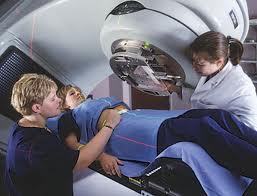
Breast cancer patients receiving zaps of "prophylactic" radiation therapy to prevent brain metastases while on a drug regimen were no more likely to have cognitive dysfunction than women opting for the drugs alone, according to a new study.

The small clinical trial found cognitive performance scores between the 13 women randomly assigned to receive radiation therapy and the 17 women who chose just to take trastuzumab (Herceptin) were nearly the same, MedPage Today reports.

Story Continues Below Advertisement

Viable Med Services - Reliable MRI Service & Installations. 661.373.1977

The Viable alternative for MRI Service. Flex Plans with Nationwide Hitachi & Toshiba Trained Engineers, Operating 24/7/365. Warehouses Stocked Full of Replacement Coils & Parts. Dedicated to Providing the Best in Service!


No survival differences between the two groups emerged during the two-year-long, prospective, randomized study, presented at the San Antonio Breast Cancer Symposium on December 10, the paper said.

However, fewer women receiving the radiation went on to get brain metastases: three women receiving cranial radiation eventually developed metastases, versus seven in the no-radiation group. But because of the small size of the study, the difference was not statistically significant, according to the researchers, led by Dr. Peter Canney, an oncologist with Beatson West of Scotland Cancer Centre in Glasgow.

Canney said nearly a third of women diagnosed with HER2-positive metastatic breast cancer will go on to have brain metastases. But he said doctors are often reluctant to prescribe preventative radiation therapy out of concerns it would produce cognitive deficits, and he therefore had trouble recruiting patients for the study.

In the study, the patients randomly assigned to the radiation group got 30 Gy in 10 fractions, and were followed up every three months for nine months. None of the women had statistically significant scores on tests for depression, anxiety or quality of life, MedPage said.


Interested in Medical Industry News? Subscribe to DOTmed's weekly news email and always be informed. Click here, it takes just 30 seconds.
Access and use of this site is subject to the terms and conditions of our LEGAL NOTICE & PRIVACY NOTICE
Property of and Proprietary to DOTmed.com, Inc. Copyright ©2001-2013 DOTmed.com, Inc.
ALL RIGHTS RESERVED