by
Gus Iversen, Editor in Chief | May 06, 2026
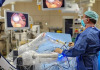
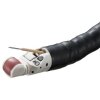
Olympus has entered an exclusive global distribution agreement with EndoRobotics Co. Ltd. to add robot-assisted systems to its endotherapy portfolio, as the company continues to build out its offerings in advanced gastrointestinal procedures.
Under the agreement, Olympus will distribute EndoRobotics’ technologies worldwide, beginning with planned commercialization in the U.S., subject to regulatory clearance. The devices are designed to support complex therapeutic endoscopy procedures, including endoscopic submucosal dissection (ESD), which is used to remove early-stage cancerous and precancerous lesions in the gastrointestinal tract without removing the organ.
ESD is widely used in parts of Asia and is gaining traction in Western markets, though it remains technically demanding. Robotic assistance has been explored as a way to improve precision and control during these procedures, potentially helping clinicians manage more complex cases.



Ad Statistics
Times Displayed: 18554
Times Visited: 52 Brand-New FDA-cleared Advanced Ultrasound Medical Device available for sale or lease to Wound Care Centers or any other Medical Facilities.The Arobella 1000D is designed for non-contact or debridement ultrasound wound healing therapy, or any other wounds
Mike Callaghan, general manager of endotherapy at Olympus, said the partnership aligns with the company’s strategy to expand access to advanced endoscopic treatments. “By offering robot-assisted technologies, we aim to help clinicians perform these complex therapeutic procedures with greater confidence and efficiency, while maintaining a strong focus on patient safety and optimizing outcomes,” he said.
EndoRobotics, a South Korea-based developer of endoscopic robotic systems, has focused on tools intended to navigate the gastrointestinal tract and support minimally invasive interventions. In a joint statement, co-CEOs Byung Gon Kim and Daehie Hong said the agreement with Olympus is intended to broaden global access to its technology.
Olympus, headquartered in Tokyo, said it will leverage its commercial infrastructure to bring the systems to market. The companies did not disclose financial terms of the agreement or provide a detailed timeline for product availability, noting that rollout plans will depend on regulatory approvals and regional considerations.